
Our Focus
Mental Health Science, Technology & Innovation
BAF helps young people and communities understand how the mind works, explore responsible technology, and develop practical ideas that support mental wellbeing.
- Mind & Brain Education
- Youth Innovation Labs
- Responsible Technology

Learn deeply. Build responsibly.
Overview
Understanding the Mind Can Change What Young People Build
Mental-health challenges are shaped not only by access to care, but also by whether people understand what they are experiencing and know how to respond responsibly.
BAF introduces young people to age-appropriate mental-health science, psychology, neuroscience, design and technology. The goal is not to turn students into clinicians. It is to help them become informed thinkers, responsible creators and community members who understand that technology should support — not replace — human care.
“Knowledge helps young people recognize needs. Responsible creativity helps them imagine better ways to support their communities.”
Our Approach
How BAF Works in This Area
BAF combines education, guided creativity, community context and responsible design principles to help young people explore mental-health challenges safely.
Mind & Brain Education
Age-appropriate learning helps young people understand mental wellbeing, common concerns, early warning signs and the role of professional support.
Youth Innovation Labs
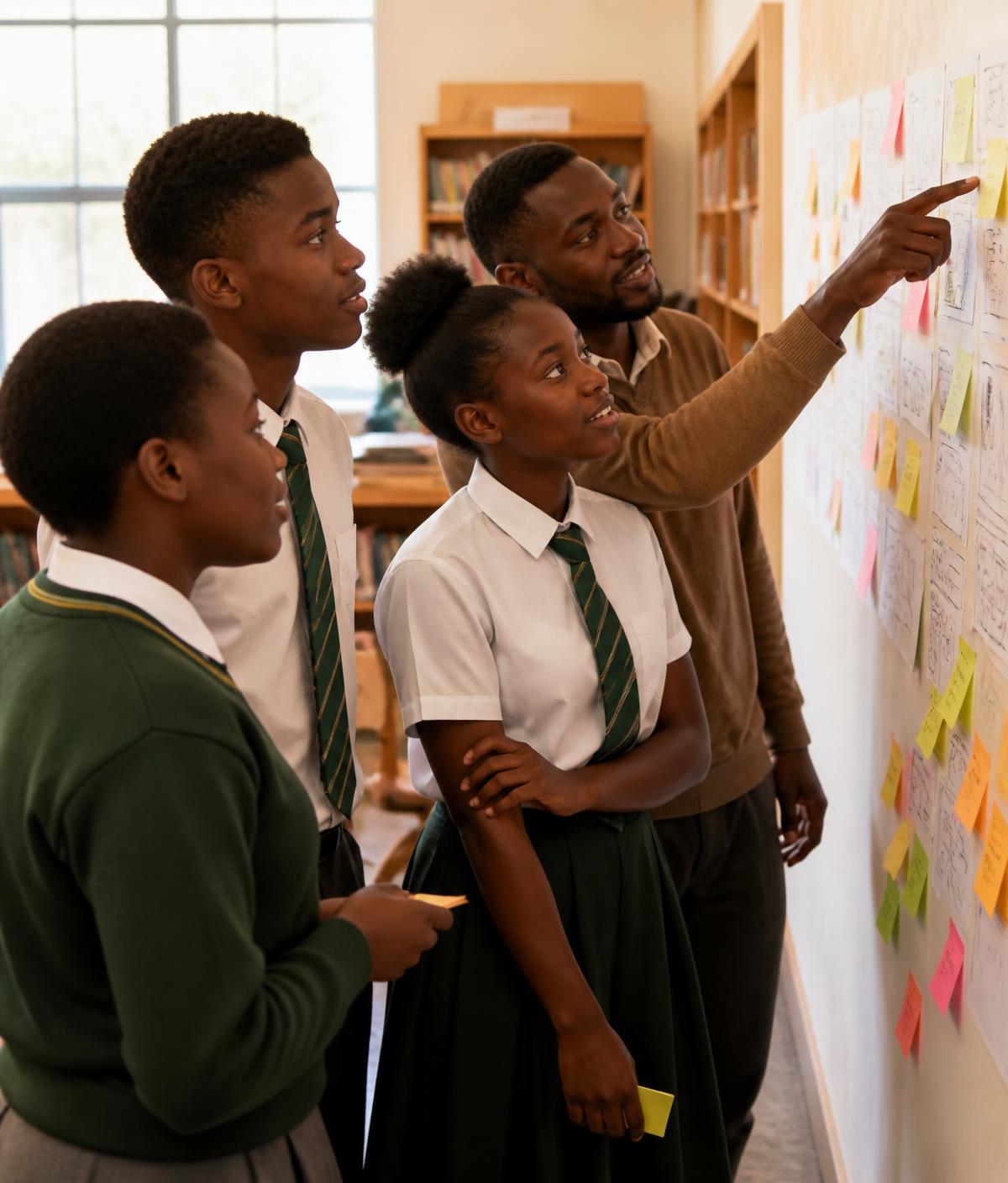
Guided workshops allow participants to explore problems, develop ideas and create simple awareness or support concepts without requiring previous coding experience.
Digital Access & Practical Tools
BAF explores how appropriate digital tools can support education, resource discovery, care navigation and community awareness.
Ethics, Privacy & Safety
Participants learn that mental-health technology must protect dignity, consent, privacy, safety and clear boundaries between education and professional care.
From Learning to Action
From Understanding to Responsible Innovation
Students should experience innovation as a thoughtful process — not a race to produce an app or technology product.

Step 01: Learn
Participants build foundational knowledge about mental health, the mind and responsible help-seeking.
Step 02: Listen
They explore community challenges through guided discussion, observation and approved learning activities.
Step 03: Imagine
Participants identify ideas that could improve education, awareness, navigation or peer understanding.
Step 04: Build
With appropriate guidance, participants create simple prototypes, campaigns, websites, quizzes or digital concepts.
Step 05: Review
Ideas are examined for usefulness, safety, privacy, accessibility and responsible communication.
Student projects are educational prototypes. They must not be presented as diagnostic, treatment, prescribing or crisis-response tools.
Programs
Programs That Turn Learning Into Responsible Action
Programs are labeled by status so visitors can distinguish active work, pilots, upcoming initiatives and concepts still in development.

MindWorks Youth Lab
- Focus
- Mental-health science and youth innovation
- Audience
- Students and young people
- Format
- School and community workshops
MindWorks combines mental-health literacy with guided design and technology activities. Participants explore how the mind works and create simple concepts supporting education, awareness or community wellbeing.
Intended outcome: Stronger mental-health literacy, creativity and responsible problem-solving.
Explore MindWorks Youth Lab→
Digital Access to Care
- Focus
- Digital literacy and care navigation
- Audience
- Families and underserved communities
- Format
- Guided digital-access support
This initiative may help participants understand how to locate approved resources, prepare for telehealth and use appropriate digital pathways to access support. BAF does not operate a telehealth platform.
Explore Digital Access to Care→Collaborative Design
Innovation Should Be Built With People, Not Around Them
Mental-health ideas are stronger when they reflect lived experience, professional guidance, local realities and clear ethical boundaries.
Where suitable partners are available, BAF may involve educators, community representatives, clinicians, designers and technology professionals in reviewing program concepts and educational prototypes.
- Young People
- Educators
- Communities
- Qualified Professionals
Responsible Innovation
Ethics Is Not an Add-On
Mental-health technology can cause harm when it collects unnecessary information, makes unsupported claims or places automation where human judgment is needed.
Human Care First
Technology should support human understanding and appropriate professional care — not attempt to replace it.
Privacy by Design
Projects should avoid unnecessary personal information and treat mental-health data as sensitive.
Clear Boundaries
Educational prototypes must not claim to diagnose, prescribe, treat or provide emergency intervention.
Community Relevance
Ideas should reflect real needs, local context, accessibility, language and available infrastructure.
Partnership Opportunities
Help Build Responsible Learning Pathways
BAF welcomes conversations with qualified organizations and professionals interested in developing responsible future initiatives.
- Youth mentorship
- Curriculum review
- Community-informed design
- Mental-health education
- Responsible technology
- Accessibility
- Program evaluation
- Clinical and ethical guidance
What Success Looks Like
The Outcomes We Are Working Toward
BAF’s innovation work should be evaluated by what young people understand, how responsibly they create and whether their ideas respond to genuine community needs.
These are intended outcomes, not verified results.
Young people with stronger mental-health and brain-science literacy
Greater confidence discussing mental wellbeing responsibly
More youth-created educational and awareness concepts
Stronger collaboration among students, educators, communities and professionals
Innovation grounded in consent, privacy, safety and accessibility
A developing pathway for responsible mentors, researchers and builders
Bring Mental-Health Science and Innovation to Your Community
Schools and community organizations can share their interest in mental-health education, youth innovation, digital literacy or responsible technology workshops.
Submitting a request does not guarantee program availability.
Help Young People Learn, Create, and Build Responsibly
Educators, clinicians, researchers, designers, technology professionals, funders and community organizations can help strengthen responsible mental-health learning and innovation.